Hi, I’m Michael
I'm a designer in Oakland, currently building AI-native experiences for procurement at Globality. I believe in ego-less, collaborative design that simplifies and builds trust. The perfect interface is frictionless and unnoticeable as it connects humans to their goals.
At work, I deeply enjoy creating systems out of chaos and getting
into Figma flow states. In real life, I'm busy chasing my
one year old son around, sneaking an hour of video games, or lounging
with my wife and two cats
(Corn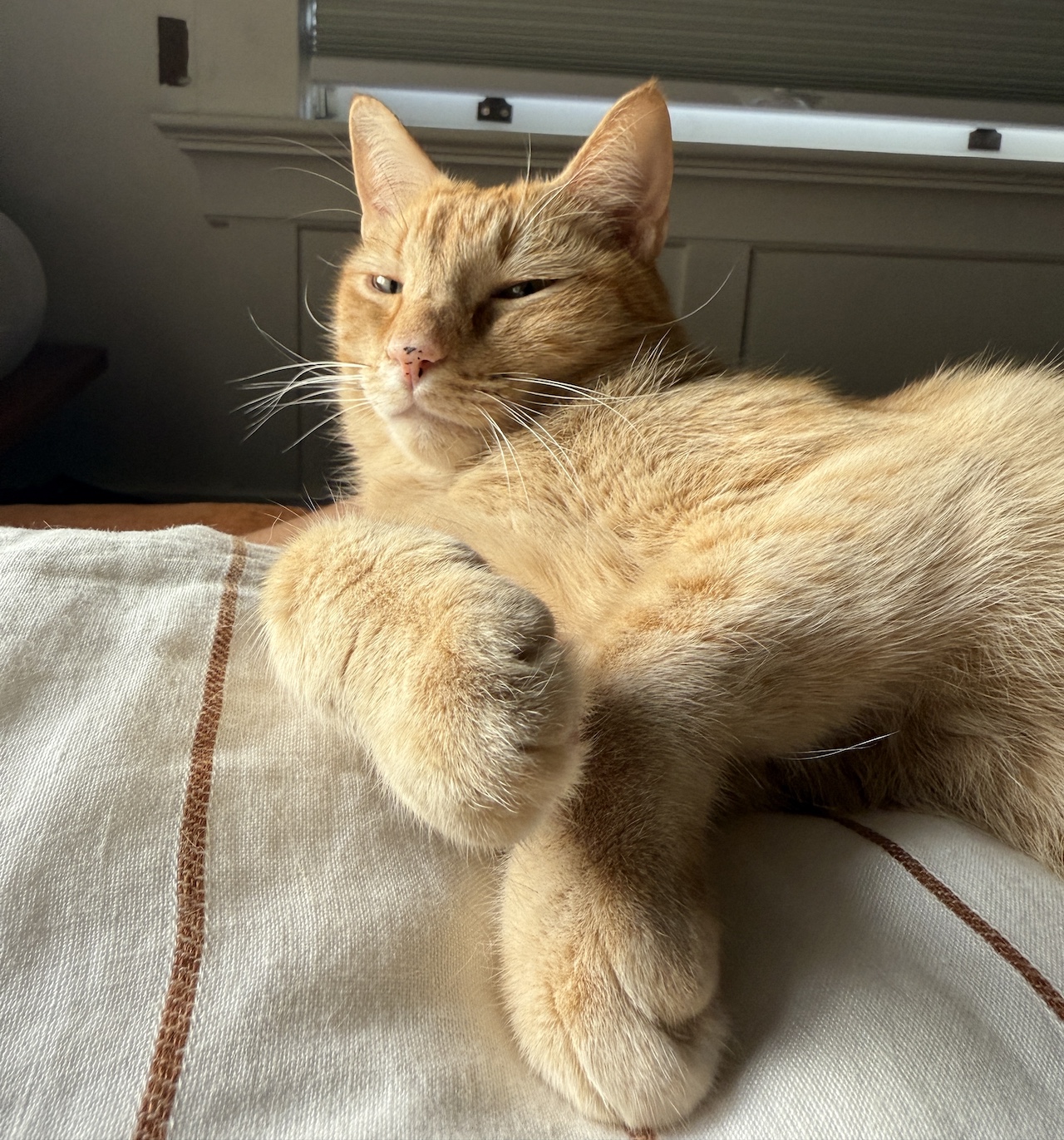 and
Dog
and
Dog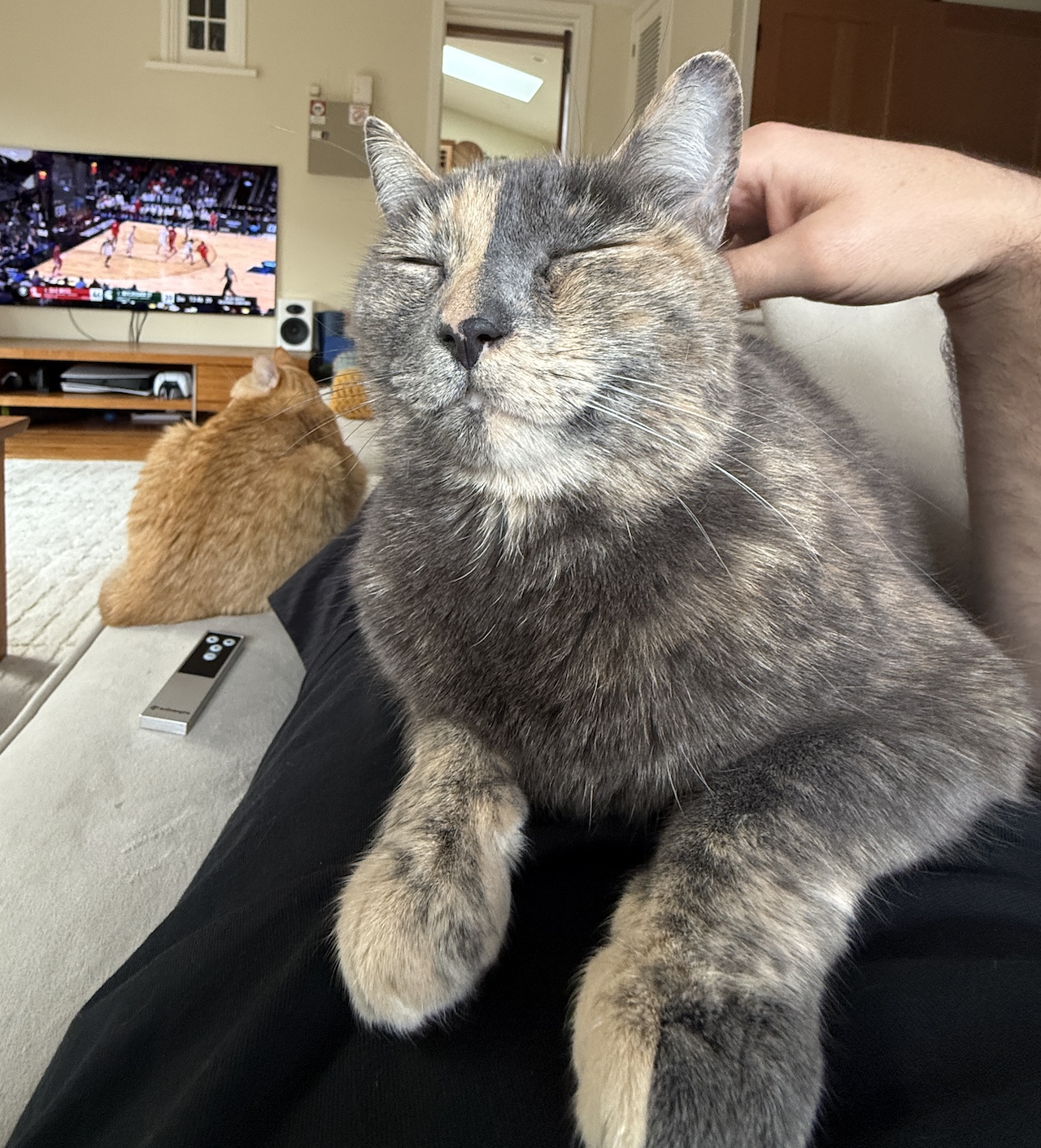 ).
If you want to solve problems and
build something together,
reach out.
).
If you want to solve problems and
build something together,
reach out.
One Glo
While AI has been the core of Globality’s product for a decade, the rapid advancements of LLMs after 2022 left our product’s AI interactions feeling underwhelming and our UI dated.
In 2025, I led the design of One Glo to completely refresh our product UI with the goals of increasing the discoverability of Glo (our AI agent), unifying conversational design patterns, and setting a foundation that can scale with future capabilities.
In the week following launch we saw a 161% increase in conversations with Glo.
Autonomous Mode
Many procurement teams are constrained by human capacity. Millions of dollars get spent annually without ever being competitively bid, simply because no one has time to run the process. Autonomous Mode solves that problem.
Autonomous Mode started as a vision from our President, became a technical demo from our CTO, and was handed to me to productize. I designed the end-to-end experience and established new patterns for autonomous interaction.
After a long journey from the tech demo in March 2025, we launched beta in April 2026 and Glo now runs negotiations with vendors on its own.
Ask Glo
Globality has always used a conversational interface where Glo asks users questions to scope their projects. The problem was that users couldn't ask anything back. Any time someone hit a snag they reached out to customer success, and that wasn't sustainable as we grew.
I led the design of Ask Glo, our first conversational AI feature. We released a conservative MVP in August 2023 that could only answer help center questions, to take pressure off CS. This limited scope presented a design challenge: how do we give users the flexibility of an empty text field while avoiding the frustrating “I'm sorry, I can't help with that” loop. We solved it with contextual chips that guided users toward what could be asked.
Ask Glo patterns became the foundation for everything conversational that followed, including the platform-wide refresh I led two years later.
Automated Proposal Analysis
Procurement professionals spend hours in spreadsheets comparing proposals and analyzing pricing. At Globality, our customer success team was building these analyses by hand with a 24-hour turnaround. I led the design of Automated Proposal Analysis, which turns Glo into the analyst.
This project challenged me to design a flexible system that worked both for analysts wanting to slice and dice the data, as well as generalists wanting insights served up to them.
This feature reaches roughly 10% of our daily users, has nearly eliminated the analysis burden on our CS team, and is a cornerstone of demonstrating our value to prospective customers.
T-Mobile FamilyWhere
T-Mobile was one of the many carriers Avast partnered with. In 2019, they were making a marketing push and wanted to include one of our products that hadn’t been updated in ten years. The catch: the dated web product needed to be brought up to current brand standards and responsive for mobile devices.
I partnered with a small team of engineers and one other designer to redesign and rebuild the FamilyWhere web product in three months.
We simplified the navigation and dramatically reduced the number of modals and pop-ups. Shortly after releasing the update, we saw over 48,000 new signups, bringing us to 178,000 subscribers total.